
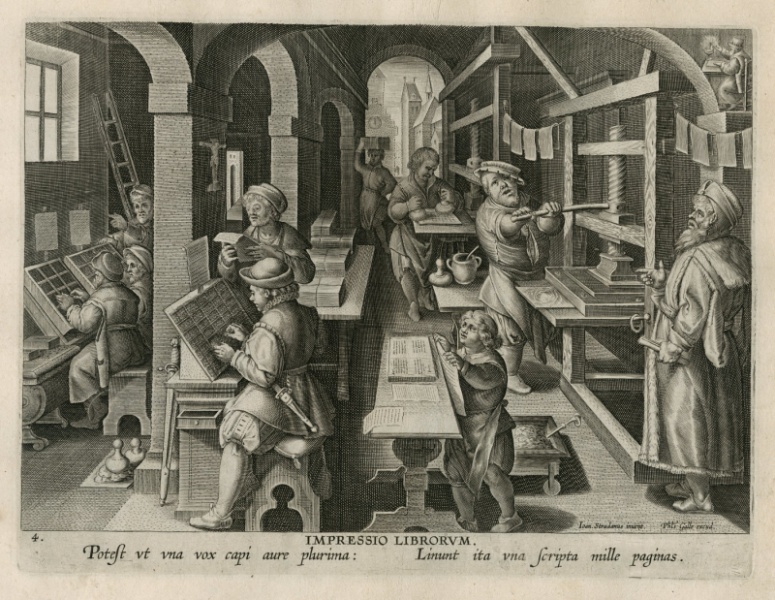
This page provides resources for those interested in the History of the Book in the Western World, Early Modern European Print Culture, reflections on my research projects within the field, and links to tutorials for making your own books and related materials.
- DIY Quarto: Folger Shakespeare Hamlet and more. Learn how to fold the early modern printed page and print and fold your own Q2 of Hamlet.
https://www.folger.edu/explore/shakespeare-in-print/diy-quarto/
Q2 Hamlet print your own quarto!
https://diyquarto.folger.edu/?_ga=2.95386004.929868957.1744390026-1062167827.1741804382 - Book Making Tutorials online
- Case bookbinding tutorial:
https://www.youtube.com/watch?v=Av_rU-yOPd4
Sewing a Text block, part 1:
https://www.youtube.com/watch?v=Ec5UThbybSA
Sewing a Text Block, part 2:
https://www.youtube.com/watch?v=dBk2LA_Ofso
- Case bookbinding tutorial:
- How to Make Your Own Oak Gall (Iron) Ink
- Oak Gall Ink (you can use acorns, as well)
https://theaxbridgemuseumartistsblog.weebly.com/oak-gall-ink.html
- Oak Gall Ink (you can use acorns, as well)
A typical recipe for Oak Gall Ink
Recipe This makes 1 cup of ink.
To make a permanent oak gall ink you will need (these are guidelines.)
You can experiment and scale up the amounts.
- 1/8 Cup of oak gall crushed.
- Pestle and mortar (you might want to use a small coffee/spice grinder or an old food processor)
- Rainwater (this is best, but distilled water is good too. Avoid tap water if possible, since it can add unknown chemicals) Reserve about 1 cup of rainwater for later use.
- Muslin (cheesecloth works if folded once or twice)
- 4 tsp. ferrous sulfate powder * (an old iron nail would have been typically used)
- 2 tsp. gum Arabic solution (you can get this in a powder form, but it is the sap of the acacia tree and often comes in crystal form)
- Glass jar for storage.
*All these ingredients can be purchased on Amazon, etc.
Instructions:
- Gather oak galls—dry them [you can use acorns too], then crush them finely.
- Put the gall material in a container such as a glass bowl, ceramic, etc. because the liquid WILL stain everything!
- Pour rainwater (or distilled water) over the galls and allow it to soak for at least two days
- Using some of the muslin/cheesecloth, strain out the oak gall material from the water (it will be a darker brown color)
- Place the ferrous sulfate in a small glass bowl and pour in ½ cup of reserved rainwater—dissolve the ferrous sulfate in the water by stirring.
- Place the gum Arabic in a small glass bowl and pour in ½ cup of reserved rainwater—dissolve the gum Arabic in the water by stirring.
- Add the ferrous sulfate solution to the oak gall liquid and stir—it will instantly turn black
- Add the gum Arabic solution to the oak gall liquid and stir. This helps to thicken the ink very slightly so that is flows off the pen more easily and keeps the black pigment suspended in the liquid.
 tarawood.net